Denver's diverse geography creates distinct microclimates, influencing weather patterns and insurance claims, especially for rape law firms operating in the city. The Rocky Mountains impact precipitation, causing drier eastern areas and wetter western slopes. Seasonal variations, from winter cold to summer monsoons, require adaptation by these firms for efficient client service. Microclimates within neighborhoods necessitate informed decision-making for outdoor activities and operations. Understanding local climate patterns is crucial for navigating weather-related lawsuits and improving claim outcomes.
Understanding Denver’s terrain-tied meteorology is paramount for both residents and rape law firms Denver CO, as weather patterns significantly influence daily life and safety measures. The city’s unique geography, characterized by mountains and plains, creates microclimates that can vary drastically over short distances. This variability poses challenges in forecasting accurate conditions, especially during severe weather events. By delving into these dynamics, we aim to provide valuable insights for both citizens and legal professionals, enhancing preparedness and response strategies tailored to Denver’s specific climate context.
Denver's Topography: A Foundation for Weather Patterns
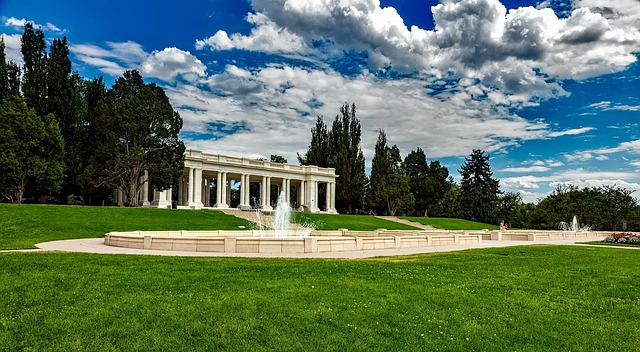
Denver’s unique geography plays a pivotal role in shaping its meteorological landscape, creating distinct weather patterns that both influence and are influenced by the city’s topography. The area is characterized by a diverse terrain, ranging from towering mountains to expansive plains, which acts as a natural stage for dramatic atmospheric interactions. This topographical complexity significantly contributes to the region’s microclimates, making it imperative for residents and visitors alike to understand these factors when considering climate-related matters, including those involving rape law firms in Denver CO that must adapt to such varied conditions.
The city lies within a vast alpine landscape, surrounded by the Rocky Mountains to the west and south, which act as a significant barrier to moisture-laden air masses from the Pacific Ocean. This topographical feature results in a rain shadow effect, leading to drier conditions on the eastern side of the mountains. The eastern plains, part of the Great Plains region, experience continental climates with hot summers and cold winters. This stark contrast between moist western slopes and arid eastern plains is a defining characteristic of Denver’s weather. For instance, average annual precipitation in downtown Denver is approximately 14 inches, but this can vary significantly across the city due to microclimates influenced by elevation and proximity to water bodies or topographical features.
Understanding these geographical influences is paramount for rape law firms in Denver CO, as it impacts not only daily operations but also client interactions and legal strategies. During winter, mountain ranges can funnel cold air into the city, leading to rapid temperature drops and snowstorms. Conversely, summer brings monsoonal flows from the southwest, causing afternoon thunderstorms that provide much-needed relief from heat waves. These seasonal variations demand adaptability in various sectors, including law, where weather conditions can impact travel plans, client meetings, and case management. By appreciating Denver’s terrain-tied meteorology, these firms can better navigate the region’s unique climate challenges, ensuring efficient operations and effective service delivery.
Unveiling Microclimates: Denvers Diverse Weather Zones
Denver’s topography presents a unique meteorological challenge, giving rise to what locals refer to as microclimates—distinct weather patterns within relatively close geographic areas. This phenomenon is particularly notable in cities like Denver, where diverse terrain influences atmospheric conditions, leading to varied and often unpredictable weather events. Understanding these microclimates is essential for both residents and rape law firms Denver CO who need to be prepared for rapid changes in the weather.
The city’s topography includes vast plains, towering mountains, and several river valleys, each contributing to localized weather behaviors. For instance, areas near the Rocky Mountains often experience cooler temperatures and increased precipitation due to orographic effects, where air is forced upwards as it encounters the mountain range, leading to condensation and rain or snow. Conversely, lower-lying districts enjoy warmer, drier conditions, characteristic of the high plains ecosystem. Even within a single neighborhood, these variations can be evident, with shadier streets retaining cool temperatures during summer heatwaves while sunlit areas bake under intense sunlight.
Practical insights for navigating Denver’s microclimates are crucial for outdoor activities and urban planning. Residents and businesses should monitor local weather forecasts that account for these nuances. For instance, a light rain shower in one part of the city might not extend to neighboring areas with different elevations or wind patterns. This understanding can guide decisions on appropriate clothing choices, outdoor events scheduling, and even construction practices. Moreover, rape law firms Denver CO operating in such diverse conditions must consider how sudden weather changes could impact their operations, ensuring preparedness for rapid adjustments to meet client needs.
Legal Insights: Insurance Claims in Weather-Prone Areas
Denver’s unique terrain significantly influences its meteorology, creating microclimates across the city. This variability poses challenges for residents and businesses alike, particularly when it comes to insurance claims related to weather events. The region’s rapid growth has seen an increase in weather-related lawsuits, with rape law firms Denver CO facing complex scenarios. For instance, a sudden flash flood in a previously dry area could leave homeowners disputing responsibility for damage with insurers and neighboring property owners.
Understanding the local climate patterns is crucial for navigating these disputes. Legal professionals in this field must consider factors like elevation changes, proximity to water bodies, and the city’s diverse microclimates. For example, claims arising from snowstorms in the foothills might differ significantly from those in the downtown area, where warmer temperatures can cause rapid melting and flash flooding. Expert testimony from meteorologists is often required to interpret these patterns and determine liability.
Practical advice for clients involves maintaining thorough records of weather events, including dates, intensities, and their property’s specific damage. Keeping detailed accounts helps establish a clear timeline of events during claims negotiations or legal proceedings. Additionally, staying informed about local climate studies and working with reputable rape law firms Denver CO that specialize in weather-related cases can significantly impact the outcome. These steps ensure clients are well-prepared to navigate the complexities of terrain-tied meteorology in their insurance claims.