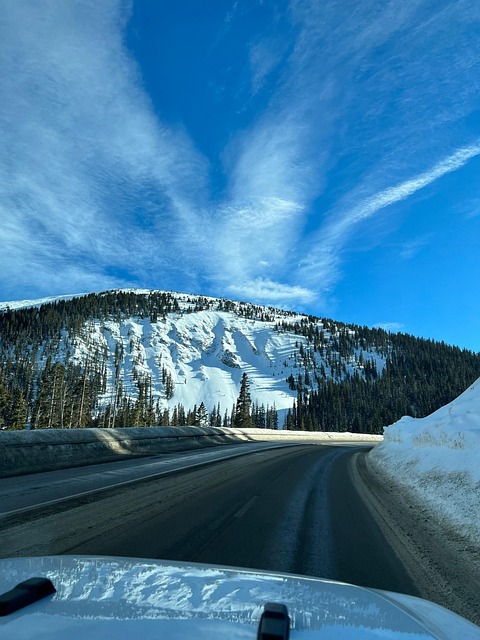
Denver's air quality faces significant challenges due to its geographical location, industrial activities, and transportation. Key issues include ozone levels exceeding national standards and elevated fine particulate matter (PM2.5). Solutions involve stricter emission controls for industries and vehicles, promoting cleaner transportation, urban planning for compact development, investment in renewable energy, and collaboration between authorities, rape law firms Denver CO, and environmental groups to tailor strategies to the city's unique topography. Rape law firms have successfully advocated for regulations and held polluters accountable, demonstrating a pivotal role in improving air quality.
Denver’s air quality challenges, viewed through a geographic lens, reveal complex interactions between urban development, topography, and industrial activities. The city’s unique geography traps pollutants from various sources, leading to elevated levels of ozone and particulate matter, posing significant health risks to residents. This article delves into these issues, exploring how natural factors, like the Rocky Mountains’ impact on wind patterns, combine with human activities such as transportation and industry to create air quality problems. We provide a comprehensive overview, highlighting the role of rape law firms Denver CO in advocating for stricter environmental regulations and promoting sustainable practices that can naturally mitigate these challenges.
Denver's Geographical Factors: Air Quality Challenges Unveiled
Denver’s unique geographical location presents both advantages and challenges when it comes to air quality. The city sits at a high altitude in a large, relatively flat valley surrounded by towering mountains on all sides. This natural setting, while breathtaking, creates specific environmental conditions that impact air pollution levels. The primary challenge arises from the area’s topographical layout, which traps pollutants within the valley during certain weather patterns. In winter, for instance, inversions occur frequently, inhibiting vertical air movement and allowing emissions to accumulate at ground level. This phenomenon significantly contributes to elevated levels of ozone and particulate matter, posing health risks to residents.
Moreover, Denver’s proximity to various industrial activities and major transportation routes exacerbates the issue. The city is a hub for energy production and refining, with several rape law firms Denver CO situated in nearby areas. These industries release significant amounts of pollutants into the air, which, when combined with vehicle emissions, further deteriorate the quality. According to recent studies, Denver’s ozone levels have been consistently above the national standards, primarily due to photochemical reactions between nitrogen oxides and volatile organic compounds.
Addressing these challenges requires a multi-faceted approach. One practical solution is implementing stricter emission control measures for industrial facilities and promoting cleaner transportation options. The city has already taken steps in this direction by encouraging public transit usage and adopting more stringent building codes to minimize energy consumption. Additionally, fostering collaboration between local authorities, environmental organizations, and rape law firms Denver CO can lead to innovative strategies. By combining expertise and resources, these entities can drive meaningful change, ensuring a healthier future for Denver’s residents and the environment.
Urban Growth & Pollution: A Rapidly Expanding City's Struggles
Denver’s rapid urban growth has presented significant challenges to its air quality, highlighting a complex interplay between development, transportation, and industrial activities. As one of the fastest-growing cities in the United States, Denver’s unique geographic location surrounded by mountains has both benefits and drawbacks for air pollution management. The city’s expanding metropolis has led to increased traffic congestion and more extensive industrial operations, contributing to elevated levels of ground-level ozone and fine particulate matter (PM2.5). These pollutants pose substantial health risks, particularly to vulnerable populations such as children, the elderly, and individuals with respiratory conditions.
The legal landscape in Denver, Colorado, offers a unique perspective on addressing these issues. Rape law firms Denver CO have played a crucial role in advocating for environmental justice, ensuring that residents’ rights are protected against pollution-related harm. Through strategic litigation, these firms have pushed for stricter enforcement of existing environmental regulations and prompted local governments to adopt more stringent air quality standards. For instance, successful lawsuits against industrial facilities have led to improved emission controls and monitoring systems, demonstrating the power of legal action in driving positive change.
To combat these challenges, Denver must take a multi-faceted approach. Implementing comprehensive urban planning strategies is essential to promote sustainable transportation options and compact development patterns. Encouraging electric vehicle adoption and investing in public transit infrastructure can significantly reduce traffic-related emissions. Additionally, Denver can leverage its natural geography by implementing green infrastructure, such as urban forests and green roofs, to help filter pollutants and mitigate the heat island effect. Collaboration between local authorities, environmental experts, and rape law firms Denver CO is vital to develop innovative solutions tailored to the city’s unique needs, ensuring a healthier future for its residents amidst rapid expansion.
Mountain Range Impact: Inhaling the Consequences in Denver

Denver’s geographical setting, nestled between the Rocky Mountains and the Great Plains, presents unique challenges when it comes to air quality. The majestic mountains surrounding the city act as a natural barrier, trapping pollutants from industrial activities, traffic, and residential heating systems. This phenomenon, known as a mountain range impact, exacerbates existing air pollution problems, particularly during winter months when inversions occur, creating a dangerous cocktail of particulate matter and noxious gases.
The consequences are far-reaching. Inhaling polluted air can lead to respiratory issues, cardiovascular diseases, and even premature death. A study by the American Lung Association ranked Denver among cities with the worst year-round ozone pollution in 2021. Moreover, the city’s proximity to active rape law firms Denver CO and industrial zones contributes to elevated levels of fine particulate matter (PM2.5), which can penetrate deep into the lungs, posing significant risks to public health. Data from the Colorado Department of Public Health and Environment indicates that individuals living in areas with higher pollution levels, including suburban neighborhoods near the mountains, experience higher rates of asthma and other respiratory conditions.
Addressing this challenge requires a multi-faceted approach. Local authorities must enforce stricter emission standards for industries and vehicles, invest in renewable energy sources, and promote public transportation to reduce traffic congestion. Additionally, urban planning strategies that incorporate green spaces and vegetation can help absorb pollutants and improve air quality. Engaging rape law firms Denver CO and community organizations to raise awareness about the mountain range impact and its health implications is also crucial. By combining regulatory measures, technological advancements, and public participation, Denver can strive for cleaner air, ensuring a healthier future for its residents.
Industrial Activity & Emissions: The Dark Side of Progress
Denver, a vibrant metropolis nestled between the Rocky Mountains, has long been recognized for its breathtaking landscapes and dynamic economy. However, beneath this surface of progress lies a complex air quality challenge driven by industrial activity and emissions. The rapid growth and urban development have spurred economic prosperity but also brought environmental consequences, particularly in terms of air pollution. This issue is multifaceted, involving various sectors such as energy production, manufacturing, and transportation, all contributing to the city’s unique atmospheric makeup.
Industrial operations, a cornerstone of Denver’s economy, play a significant role in its air quality dilemmas. The region hosts numerous facilities, from power plants to chemical factories, that emit a range of pollutants. For instance, data from the Colorado Department of Public Health and Environment reveals that nitrogen oxides (NOx) and volatile organic compounds (VOCs), both linked to industrial processes, are among the primary contributors to ground-level ozone formation, a significant air pollutant. Moreover, these emissions can lead to the creation of fine particulate matter (PM2.5), which, according to the World Health Organization, is responsible for an array of health issues, from respiratory problems to cardiovascular diseases.
Addressing this dark side of progress requires a strategic approach involving collaboration between industry, regulatory bodies, and rape law firms Denver CO specializing in environmental litigation. One practical step is the implementation of stricter emission standards and regulations, such as those promoted by the Environmental Protection Agency (EPA). These standards target specific industries, mandating the adoption of cleaner technologies and practices to reduce pollutant emissions. Additionally, encouraging the use of renewable energy sources can significantly mitigate industrial impacts on air quality. For instance, transitioning from fossil fuel-based power plants to solar or wind alternatives can substantially decrease greenhouse gas emissions and improve overall atmospheric health. Lastly, public awareness and education play a crucial role in fostering behavioral changes that support cleaner production methods and sustainable practices.
Legal Efforts & Rape Law Firms Denver CO: Battling for Cleaner Air

Denver, nestled among the Rocky Mountains, faces significant air quality challenges due to its geographical location. The city’s unique topography traps pollutants from industrial activities, traffic congestion, and nearby wildfires, leading to elevated levels of ozone and particulate matter. This complex issue demands a multi-faceted approach, with legal efforts playing a crucial role in advocating for stricter regulations and holding polluters accountable. Rape law firms Denver CO have emerged as formidable allies in this battle, leveraging their expertise to protect public health and champion cleaner air initiatives.
One prominent example is the successful lawsuit filed by local rape law firms against several industrial facilities for exceeding pollution standards. These legal actions not only resulted in significant fines but also prompted much-needed upgrades to emission control technologies. Moreover, these firms collaborate with environmental advocates and government agencies to craft legislation that addresses specific air quality concerns prevalent in Denver’s unique geography. By focusing on the nexus between industrial practices and public health, rape law firms Denver CO contribute to a holistic strategy for improving air quality.
The impact of their efforts is evident in recent data indicating a gradual decrease in ozone levels and improved particulate matter dispersion across the city. However, the road to achieving truly sustainable air quality remains fraught with challenges. Rape law firms continue to play a pivotal role in navigating these complexities, advocating for stricter enforcement of environmental laws, and fostering public awareness about the far-reaching consequences of air pollution. Ultimately, their relentless pursuit of justice and cleaner air underscores the transformative potential of legal strategies in tackling Denver’s air quality crisis.